
Aetheris 1.3.0: a clearer workspace, better namespaces and Brazilian Portuguese
Aetheris 1.3.0 is out with a release focused on the shape of the day-to-day workspace. This version reworks the sidebar, makes the first run less ambiguous, improves how namespaces are discovered and managed, and adds the first Brazilian Portuguese translation.
Aetheris already had the core pieces for working with Kubernetes from a native GNOME app: project-based clusters, live resources, YAML editing, logs, metrics, interactive terminals and common operations. The 1.3.0 release is about making those pieces easier to reach and easier to adapt to different workflows.
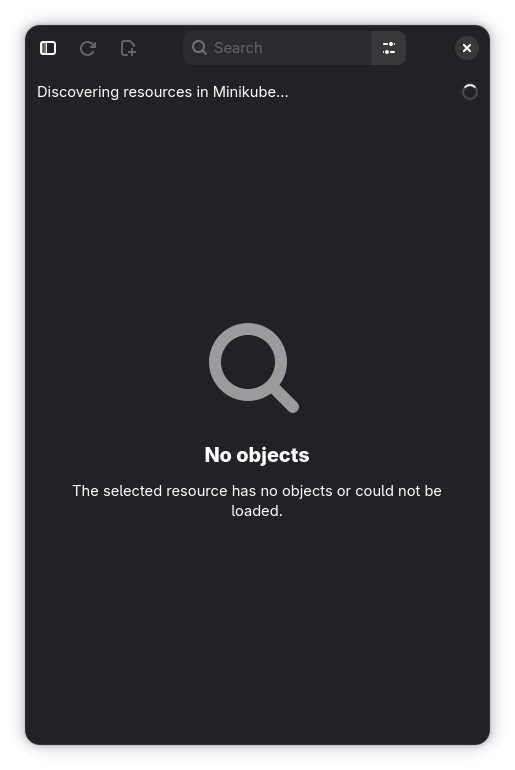
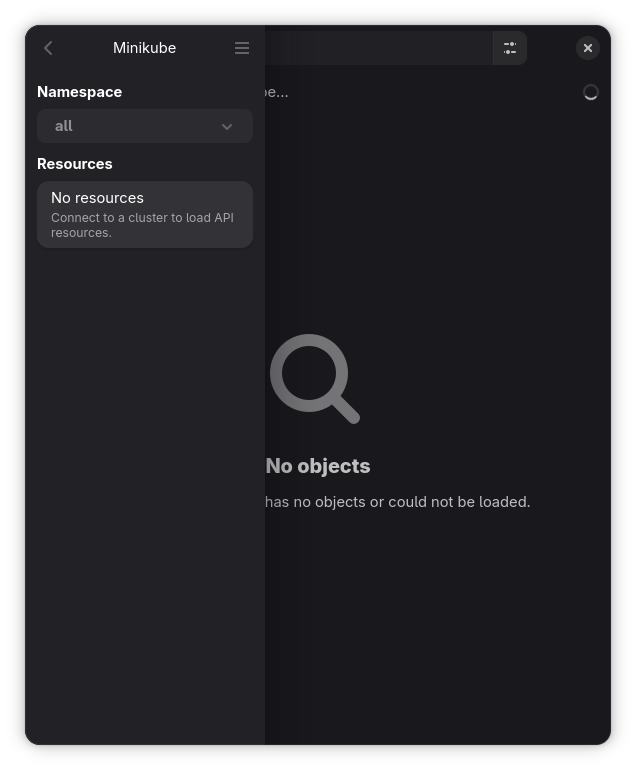
A sidebar built around the workspace
The sidebar has been reworked so the app feels more like a persistent workspace and less like a sequence of disconnected views. Projects, clusters and resource navigation now have a clearer structure, which matters when you move between multiple kubeconfig contexts during the same session.
This also fixes a Windows-specific layout issue in the old sidebar. On some Windows builds, the app behaved as if it was always in its narrow mobile-style layout, even when the window was fully expanded. With the new sidebar structure, the desktop layout is available correctly again.
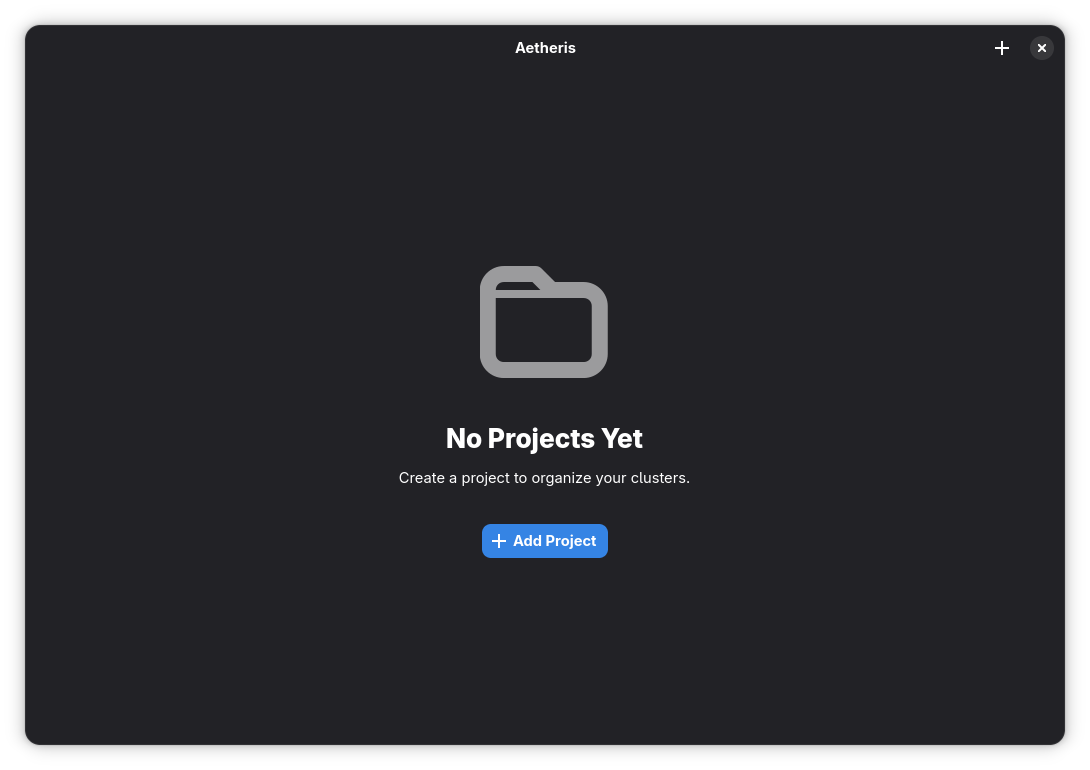
The first-run experience has also been cleaned up. When Aetheris starts without an existing project setup, the app now does a better job of guiding the user toward a useful state instead of leaving the empty workspace to explain itself. That makes the first launch closer to the normal daily flow: choose the clusters that belong in a project, open the workspace, and start browsing resources.
Better namespace handling
Namespaces are central to how Kubernetes work is organized, and 1.3.0 puts more attention there. Aetheris now has improved namespace discovery and management, so namespace lists can follow what the connected cluster actually exposes while still fitting the project’s saved configuration.
This is especially useful for clusters where teams work across a known set of namespaces but still need the app to reflect cluster changes. The goal is to keep namespace selection close to the resource browser, without making the user manually rebuild the same list every time the cluster changes.
Brazilian Portuguese translation
This release introduces the app’s gettext-based internationalization path and ships the first Brazilian Portuguese translation. The UI can now start moving beyond English while keeping translations in a standard format that is easier to update over time.
For Brazilian users, this is the first Aetheris release that can feel closer to the language used in the rest of the desktop. For contributors, it also creates the base for future translation work in other languages.
Smaller internal cleanup
Alongside the visible changes, 1.3.0 includes internal cleanup around the app state, detail panes, project storage, UI synchronization and styling. The CSS that used to live in Rust code has been moved into a dedicated stylesheet, which makes the visual layer easier to maintain without changing the app’s behavior.
If you use Aetheris across multiple clusters or namespaces, 1.3.0 should feel more organized from the moment the app opens. And if you use your GNOME desktop in Brazilian Portuguese, this is the release that starts bringing Aetheris with you.